

Why Television Is Winning the Ratings Battle
HBO · Ryan Condal
By the TrendingShows editorial team, using TMDB popularity data. Our methodology
Today’s TMDB trends tell two different stories. Movies hold the largest popularity scores, with The Odyssey at 937.0796 and Moana at 607.7654, while several television series collect ratings above 8.4. These measures should never be treated as equivalents. TMDB popularity responds to attention and activity, while the average rating reflects user votes. The gap reveals differences in audience and release rhythm rather than automatic television superiority.

Exposure Meets Approval
House of the Dragon
HBO · Ryan Condal
House of the Dragon combines both forces, with 361.3376 popularity and an 8.371 rating. Weekly distribution sustains searches, arguments and voting across several weeks. Every episode creates another point of entry. A film release often concentrates that energy into a few days even when it produces far more raw attention.
The Power of a Self-Selecting Audience
One Piece
Toei Animation · Fuji TV
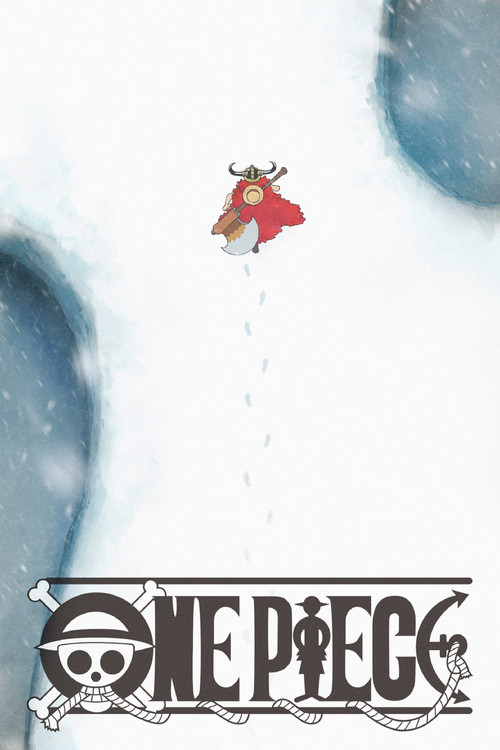
One Piece reaches 8.749 with a much lower popularity score of 35.5768. That does not mean nearly everyone loves the show. It means the people still watching and voting after hundreds of episodes are an intensely selected group. Dissatisfied viewers leave early, while loyal viewers remain and rate.
Catalog Depth Still Matters
Rick and Morty
Adult Swim · Dan Harmon
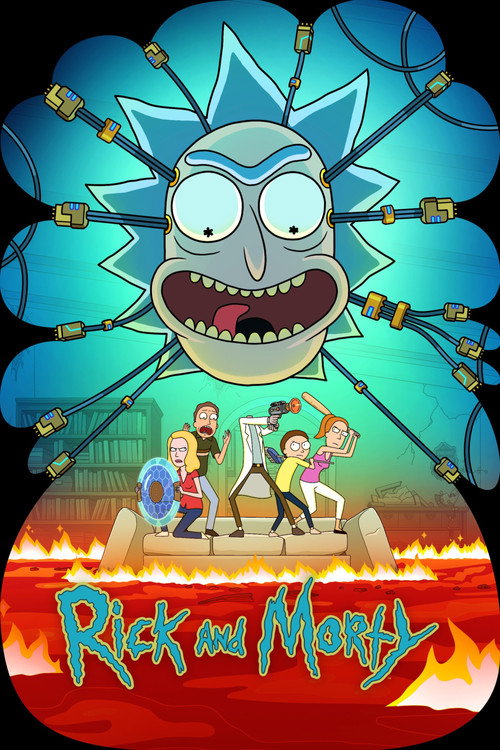
Rick and Morty pairs 191.3203 popularity with an 8.679 rating. Its advantage is catalog depth. A new episode can revive earlier seasons, attract first-time viewers and reactivate established fans. Contemporary television operates as both a new release and a library at the same time.
The Necessary Counterexample
Project Hail Mary
Amazon MGM Studios · Phil Lord et Christopher Miller
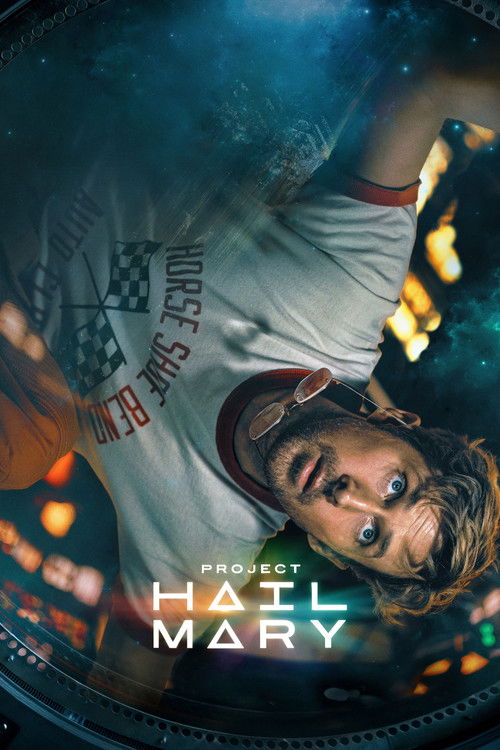
Project Hail Mary prevents an easy conclusion. The movie holds an 8.7 rating with 192.3054 popularity, scoring above almost every ranked series. A highly anticipated adaptation can convert visibility into satisfaction very quickly. Format never decides everything, and the reception of the individual title still matters.

Curiosity Is Not Affection
Moana
Walt Disney Pictures · Thomas Kail
Moana records 607.7654 popularity, the second-highest movie figure, but only a 5.765 rating. It offers the clearest reminder that being searched is not the same as being loved. A famous brand and a massive launch bring viewers through the door. They do not control the judgment that follows.
The ranking exposes a simple paradox. Movies are winning immediate attention, while television converts time spent into declared attachment more effectively. A user rating is not a scientific verdict, especially when highly organized fan communities are involved. It remains a useful satisfaction signal. On that specific field, television currently holds the advantage. Longer exposure gives viewers more opportunities to form routines, defend characters and turn appreciation into identity. Movies can still achieve exceptional ratings, as Project Hail Mary demonstrates, but they usually have to create that bond within a much shorter public cycle. That is a difficult race to win.